
Types of Doorbells You Should Consider for Your Home
Types of Doorbells You Should Consider for Your Home
Doorbells are one of those things most homeowners only think about when they stop working — or when a delivery driver knocks because nobody heard the ring. A doorbell is your home's first point of contact with the outside world, and in 2026, the options range from a simple wired chime to a full smart-security system. Choosing the right one is less complicated than it looks, once you know what you are actually comparing.
Our electricians at Kato Electrical install all six types across Vancouver and the Lower Mainland. Here is an honest breakdown of what each type offers — and who it makes sense for.
Types of Doorbells You Should Consider for Your Home

There is no wrong choice here — each type serves a different set of priorities. The six options below cover everything from budget-friendly wireless units to full security-camera systems with two-way audio.
| Type | Wired? | Battery? | Camera? | Smart Device | Best For |
|---|---|---|---|---|---|
| Traditional | Yes | No | No | No | Reliable, low-maintenance homes |
| Wireless | No | Yes | No | Some | Renters, smaller homes, easy installs |
| Motion-Activated | Either | Some | Some | Yes | Security-conscious homeowners |
| Buzzer | Either | Some | No | Some | Apartments, multi-unit, commercial |
| Video | Either | Some | Yes | Yes | Maximum security and visibility |
| Solar-Powered | No | Backup | Some | Some | Eco-conscious, low-maintenance homes |
1. Traditional Doorbells
The Original — Still One of the Most Reliable
A traditional wired doorbell is exactly what it sounds like — a button mounted at the door, wires running through the walls, and a chime unit somewhere inside the house that plays when the button is pressed. No batteries, no app, no subscription. Just electricity and a mechanism that has been working reliably for decades.
When someone presses the button, it completes a low-voltage electrical circuit that triggers the chime. The chime unit — often in a hallway or near the front of the house — can play a simple ding, a two-tone chime, or even a melody depending on the model. The range issue that plagues wireless doorbells simply does not exist here.
2. Wireless Doorbells
The No-Fuss Option — Place It Anywhere
Wireless doorbells run on batteries and communicate between the button and the indoor chime unit via radio frequency — no wiring required. This makes them genuinely easy to install. You mount the button, pair the receiver, and you are done. The receiver can go anywhere in the house — a plug-in unit in the kitchen, a bedroom, wherever you need to hear it.
Many modern wireless doorbells include motion sensors and push notifications to your smartphone, so even if you miss the sound, you get a notification. That said, they have a real limitation: range. In a large home — or a home with thick concrete or brick walls — the signal between button and receiver can drop or cut out entirely.
3. Motion-Activated Doorbells
Extra Security Without the Camera
Motion-activated doorbells trigger an alert — to your chime, your phone, or both — when they detect movement in the detection zone. Nobody needs to press a button. A visitor approaching your porch, a delivery person dropping a package, even an animal passing through will trigger it.
Yes, the occasional false alert from a passing cat or a gust of wind comes with the territory. But for homeowners who want a layer of awareness beyond "someone pressed the button," these are genuinely useful. High-end models include cameras as well, making them functionally similar to video doorbells — motion-triggered, with recording capability and phone alerts.
4. Buzzers
Not Just for Offices — More Versatile Than You Think
Buzzers have a reputation as a commercial or apartment-building fixture, and that is where they still see the most use. But they have been showing up more frequently in single-family homes and strata properties, particularly in combination with intercom systems or home automation setups.
Like doorbells, buzzers come in both wired and wireless varieties. Wireless versions are often solar-powered or battery-operated, which eliminates the need for electrical wiring. Solar-powered buzzers in particular have become popular for their zero-maintenance appeal — no batteries to replace and genuinely eco-friendly operation.
5. Video Doorbells
See and Speak Before You Open the Door
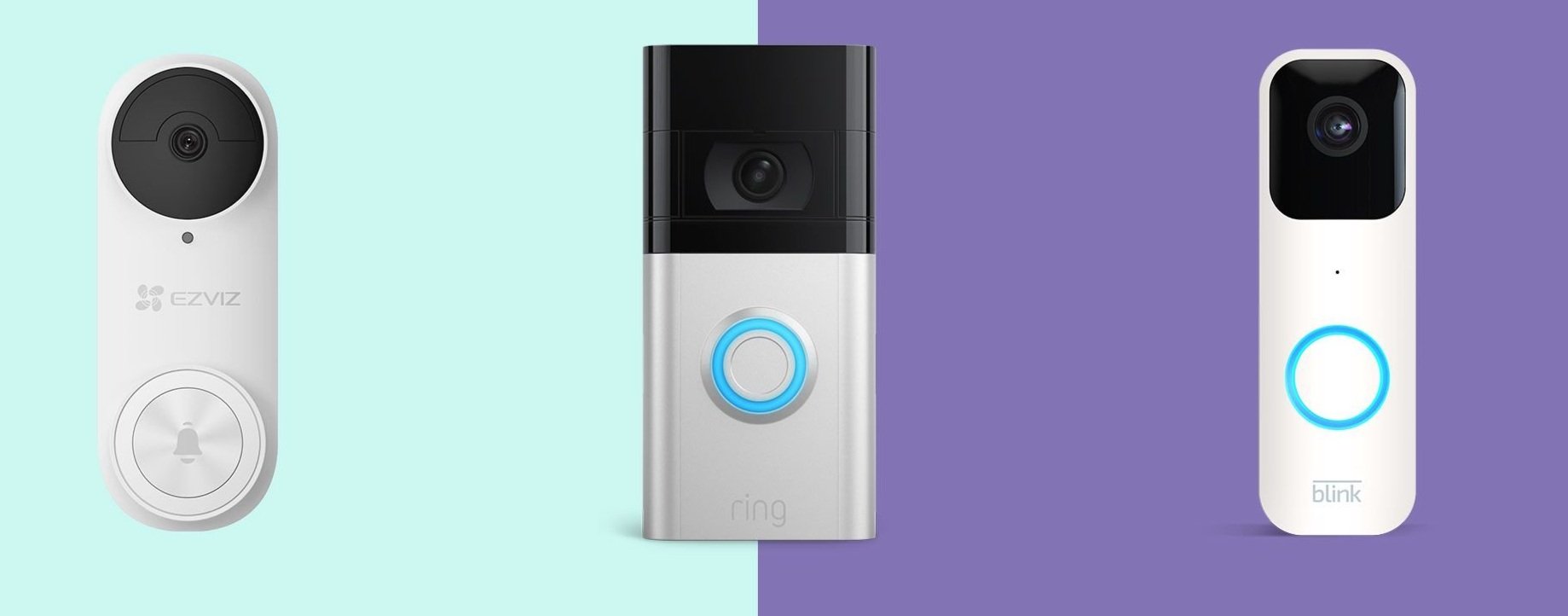
Video doorbells have become the fastest-growing doorbell category for a reason. They give you a live view of your front door from your phone — anywhere in the world. Press the button, and you can see exactly who is there, speak with them through two-way audio, and decide whether to open the door or let the delivery driver know where to leave the parcel.
When paired with cloud storage or a home hub, most video doorbells record motion events and store footage, giving you a record if anything unusual happens. They work particularly well integrated into a home automation system, where a button press can simultaneously trigger lights, unlock a smart lock, or alert other occupants in the home.
6. Solar-Powered Doorbells
Zero Running Costs — If the Sun Cooperates
Solar-powered doorbells draw energy directly from sunlight to charge an onboard battery. No wiring, no disposable batteries, no electricity cost. In a location with reliable direct sunlight — a south-facing porch, for instance — they are genuinely low maintenance and long-lasting.
The obvious caveat: they need sun. A north-facing entry with deep overhang cover is not ideal for a solar doorbell. Vancouver's winters are also worth factoring in — overcast months reduce charging capacity, and a unit without adequate battery backup may underperform. That said, for homes with suitable placement, they are an excellent, eco-friendly choice at a reasonable price point.
Which One Is Right for You?
The honest answer depends on three things: how much security you want, how much you want to spend, and whether you have a home automation system you want the doorbell to connect with.
Just need something reliable that works: Traditional wired doorbell
Renting or want zero installation hassle: Wireless or solar
Want to see and speak to visitors remotely: Video doorbell
Want proactive security, not just alerts when pressed: Motion-activated
Apartment, strata, or multi-unit setting: Buzzer
Eco-conscious and have direct sun exposure: Solar-powered
We install all six of these types, and the question we get asked most is about video doorbells — specifically whether existing wiring will support them. Most homes with a traditional doorbell have low-voltage wiring already in place, and many video doorbells are designed to use it. We check this during a consultation before you buy, so there are no surprises. Call us: (604) 239-3084 or book a visit online →
Related services from Kato Electrical:
Related reading: Your Guide to Home Automation Systems | Electrical Safety for Children and Parents | 10 Overlooked Electrical Mistakes Homeowners Make
↑ Back to topReady to Upgrade Your Doorbell in Vancouver?
Our licensed electricians install all types of doorbells — from traditional wired chimes to full video security systems integrated with your smart home. Upfront pricing, no surprises.
Serving All of Greater Vancouver
Common questions about doorbell types and installation — answered by our licensed Vancouver electricians.