
Is Your Vancouver Home Trying to Tell You Something? An Electrician's Perspective
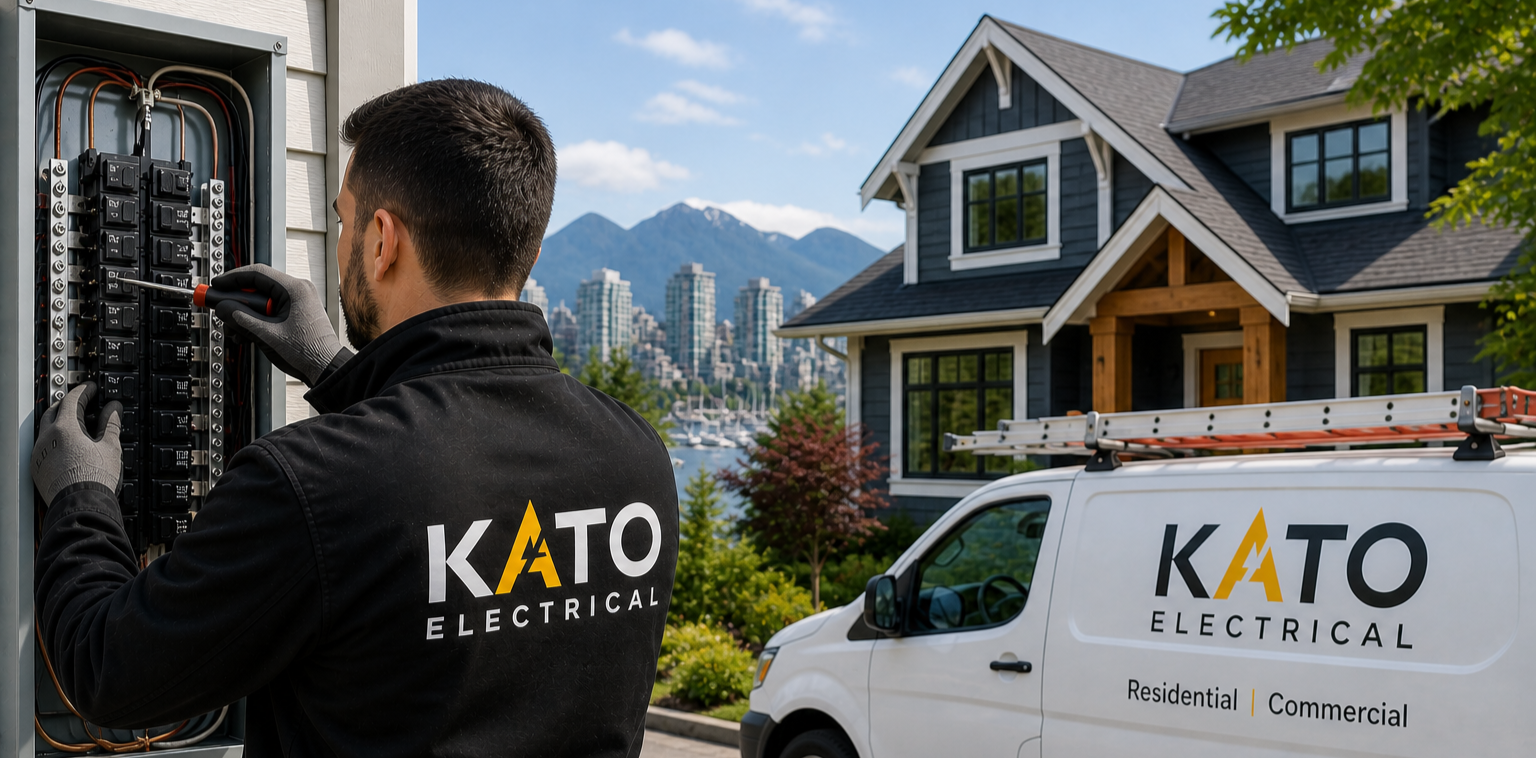
Every Vancouver house tells a different story through its wiring. The 1912 Craftsman in Kitsilano probably had its first electrical system installed when refrigerators were a luxury. The post-war bungalow in Renfrew might still have circuits sized for a single black-and-white TV. Even the slick new build in Yaletown can hide sloppy work behind its drywall. Knowing when these stories need a professional rewrite — and when you can leave well enough alone — is one of the more useful skills a homeowner in this city can develop. The team at Kato Electrical spends most days inside Lower Mainland houses sorting out the consequences of ignored problems. What follows is what we wish more homeowners knew before they picked up the phone.
The Symptoms Worth Paying Attention To
Most electrical failures announce themselves long before they become dangerous. The trick is recognizing the announcements:
Lights that pulse or dip
When your kitchen lights flicker as the fridge compressor cycles, or the bulbs dim every time the microwave runs, the circuit is telling you it's working harder than it should. In older parts of town like Mount Pleasant or Commercial Drive, this often points to original wiring trying to handle 21st-century appliances.
Outlets that feel warm
Plastic faceplates should always be room temperature. If yours are warm, hot, or showing brown discoloration around the slots, switch off the breaker for that circuit and book a service call. This is one of the more reliable predictors of an electrical fire.
Breakers that won't stay set
A breaker tripping once is normal. A breaker tripping every Tuesday when you run the dryer is a message. Resetting it repeatedly without finding the cause is the electrical equivalent of taping over the check engine light.
Audible electricity
Power should travel silently. If your panel hums, an outlet buzzes, or a switch crackles when you flip it, something inside is loose, arcing, or breaking down.
Two-prong outlets
Houses still running ungrounded receptacles are typically working with infrastructure from before color TV. Modern electronics — laptops, gaming consoles, anything with a surge protector — assume a ground path that simply isn't there.
A burning smell with no obvious source
This is the one symptom you don't wait on. If you smell something acrid, plasticky, or fishy near outlets or your panel and can't trace it to dinner, treat it as urgent.
What's Actually Happening Behind Your Walls
Vancouver's housing inventory creates electrical situations you won't find in newer cities. A few worth understanding:
Knob-and-tube wiring
This still exists in a surprising number of pre-1950 homes. It can technically remain functional for decades, but it was never engineered for the loads we put on circuits today, it interacts badly with modern attic insulation, and an increasing number of insurance providers won't write policies on homes that still have it. Most owners only discover their knob-and-tube during a renovation or when switching insurers.
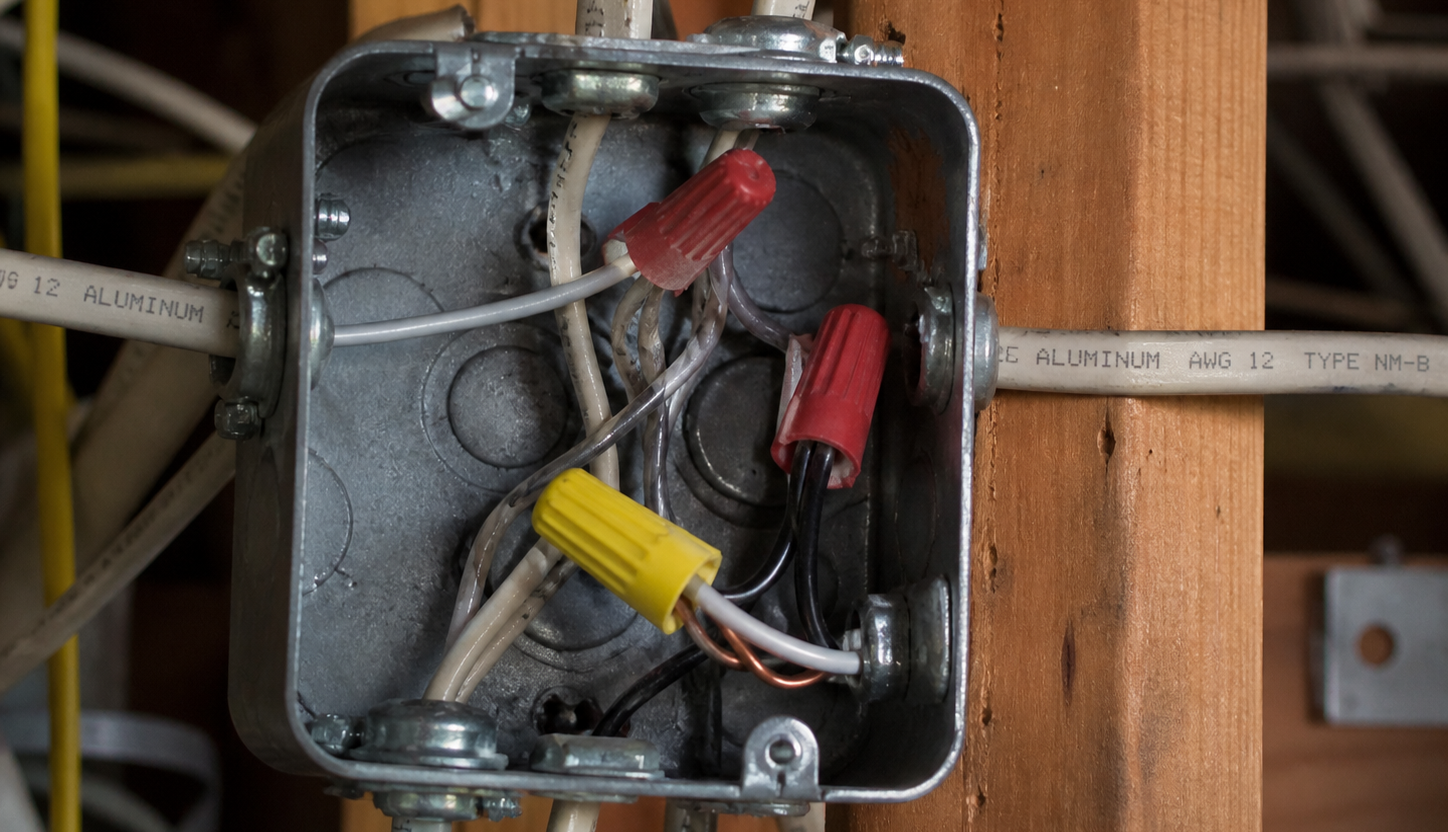
Aluminum branch wiring
This showed up in homes built roughly between 1965 and 1975, when copper prices spiked. Aluminum behaves differently from copper at connection points — it expands more with heat and creeps under pressure — which means terminations loosen over time and can develop hot spots. The fix isn't always a full rewire, but it does require specific hardware and a professional eye.
Secondary suites and laneway homes
These are part of how Vancouver works, and they almost always involve permitted electrical work. New circuits, separate metering, smoke alarm interconnection, and code-compliant feeder sizing are all part of the job. Skipping the permit process here can cause real problems at resale.
EV charger installations
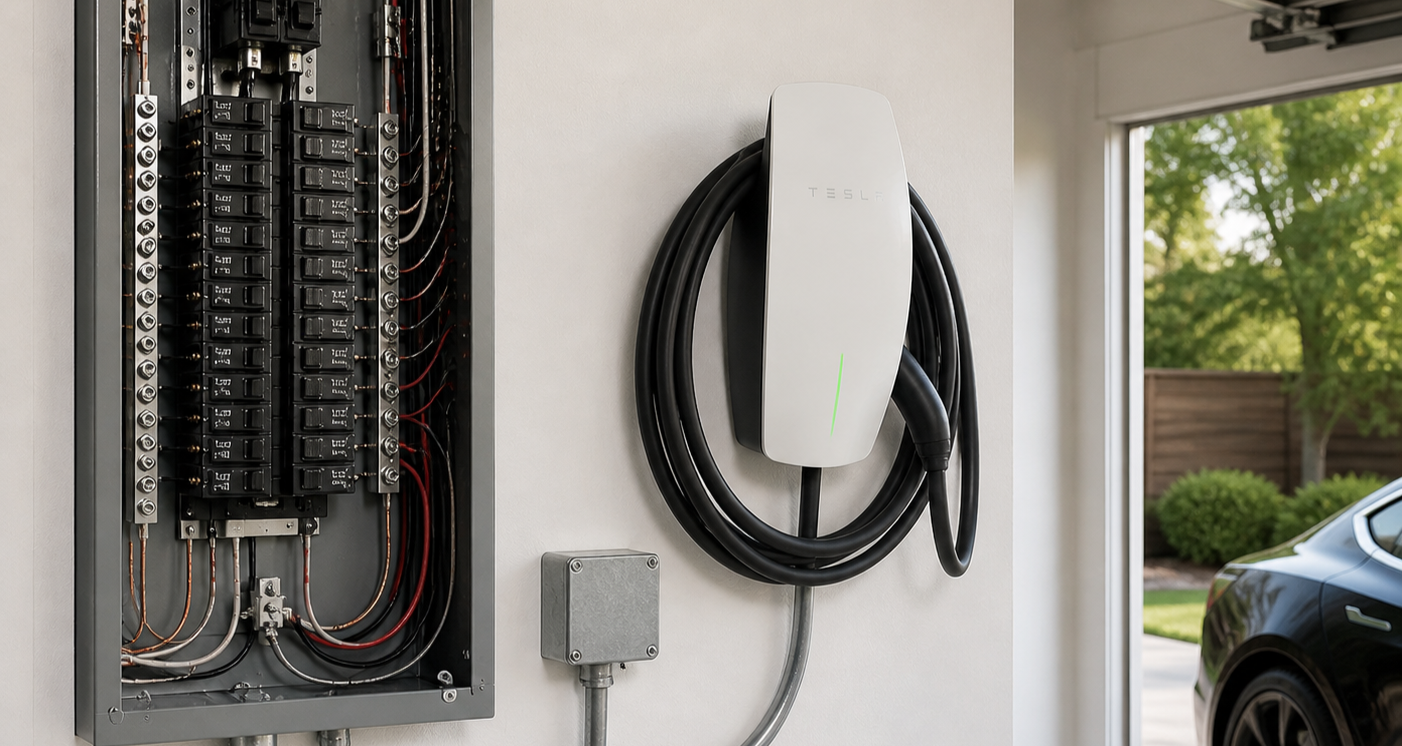
This has become one of our most-requested jobs. A proper Level 2 charger usually needs a 240V circuit on its own breaker, and depending on your panel's existing load calculation, you may need a service upgrade before the charger itself can go in.
The Line Between Handyman Work and Licensed Work
British Columbia takes electrical licensing seriously. Most residential electrical work has to be performed by — or supervised by — a certified Field Safety Representative, with a permit pulled through Technical Safety BC. Doing it any other way can void your home insurance and create disclosure headaches when you sell. Things that genuinely require a licensed electrician in Vancouver:
- Replacing or upgrading your service panel
- Adding circuits for hot tubs, EV chargers, ranges, or heat pumps
- Removing knob-and-tube or addressing aluminum wiring
- Any renovation that opens up walls or adds rooms
- Pot lights, ceiling fans, or fixtures going where no wiring currently runs
- Anything touching the meter base or main service conductors
Swapping a light bulb, replacing a worn-out fixture with an identical one, or changing a faceplate is fair game for a homeowner. The threshold past that point is lower than most people think.
How to Pick Someone You Won't Regret Hiring
Hiring an electrician in Vancouver isn't difficult, but hiring the right one takes a little homework. A few things worth checking:
Verify the FSR certification
Any legitimate contractor will tell you their certification number and confirm they pull permits through Technical Safety BC. Vagueness on this question is a red flag.
Confirm insurance and WorkSafeBC coverage
If a tradesperson is injured on your property and isn't covered, the liability can flow to you.
Ask about local experience
Strata buildings, heritage homes, and infill construction each come with their own quirks. Someone who's mostly worked on suburban new builds may not know what to do when they open up a wall in a 1923 Vancouver Special.
Insist on a written quote after a site visit
Phone estimates for anything beyond trivial work tend to be inaccurate. A real assessment requires eyes on the panel and the affected areas.
Listen to how they explain things
The right electrician will tell you when something is genuinely urgent, when it's worth doing soon, and when you can plan for it next year. The wrong one treats every issue as a five-alarm fire.
Putting It Off Almost Always Costs More
Electrical issues compound. A loose connection generates heat, heat damages insulation, damaged insulation creates arcing, and arcing starts fires. The repair that costs $400 today routinely turns into a $4,000 problem when it's left alone. Beyond the financial math, electrical faults remain one of the most common causes of residential fires in Canada — and almost all of them were preventable. If anything in this article sounds familiar, or you've got a renovation, suite conversion, or EV charger on the horizon, getting a qualified electrician on site early is the single best move you can make.
Talk to Kato Electrical
Kato Electrical has been wiring, rewiring, troubleshooting, and upgrading Vancouver homes for years. We work with heritage properties, modern builds, basement suites, and everything in between — always permitted, always to code, always explained in plain language.
Call us or request a quote online to see why Vancouver homeowners keep our number saved.