
Buying an Older Home in Metro Vancouver? Electrical Red Flags by Neighbourhood
What our electricians actually find behind the walls in East Van character homes, Vancouver Specials, North Shore post-wars, and 1970s Tri-Cities builds — and how to spot it before you remove subjects.

Last spring we opened a panel in a 1912 Strathcona house two days before the buyer's subject-removal deadline. Pretty kitchen, new floors, fresh paint everywhere. Behind the panel cover: original knob-and-tube feeding half the upstairs, spliced into modern cable in a junction box someone had buried behind drywall. The buyer's insurer wanted it gone within 60 days of possession. That "move-in ready" home came with a $22,000 rewiring bill nobody had priced in.
We see a version of this story every month. And here's the thing — you can predict most of it before you ever book an inspection, because Metro Vancouver's housing stock was built in distinct waves, and each wave left its own electrical fingerprint. Where the house is, and when that neighbourhood boomed, tells you what's probably hiding in the walls.
This guide walks through the region neighbourhood by neighbourhood, based on what our crews actually find, then shows you how to check a home's permit history and what a pre-purchase inspection should cover.
Why the build era matters more than the address
Electricians don't really think in neighbourhoods. We think in decades. A 1938 house in Grandview and a 1938 house in Queen's Park have nearly identical wiring problems, because the materials and code of the day were the same everywhere. Neighbourhoods matter only because they concentrate homes from particular eras — and that's what makes red flags predictable.
| Built | What we typically find | Why it matters |
|---|---|---|
| Before ~1950 | Knob-and-tube wiring, cloth-insulated cable, no grounding | Most insurers won't cover it, or demand removal on a deadline |
| 1950–1965 | 60-amp services, fuse boxes, two-prong outlets | Undersized for modern loads; insurers usually want 100A minimum |
| 1965–1976 | Aluminum branch circuit wiring | Connections loosen and overheat without proper remediation |
| 1965–1990 | Federal Pioneer Stab-Lok panels | Flagged by many inspectors and insurers; often replaced at sale |
| 1980s–2000s | Unpermitted suite conversions, DIY additions | The wiring itself is modern — the workmanship often isn't |
Keep that table in your head as we go street by street. It's doing most of the work.
East Vancouver character homes: Strathcona, Grandview-Woodland, Mount Pleasant, Hastings-Sunrise
The oldest housing stock in the city sits east of Main and around Commercial Drive — Edwardian and interwar homes from the 1900s through the 1940s. Beautiful bones. Original fir floors. And, in a surprising number of them, original wiring.
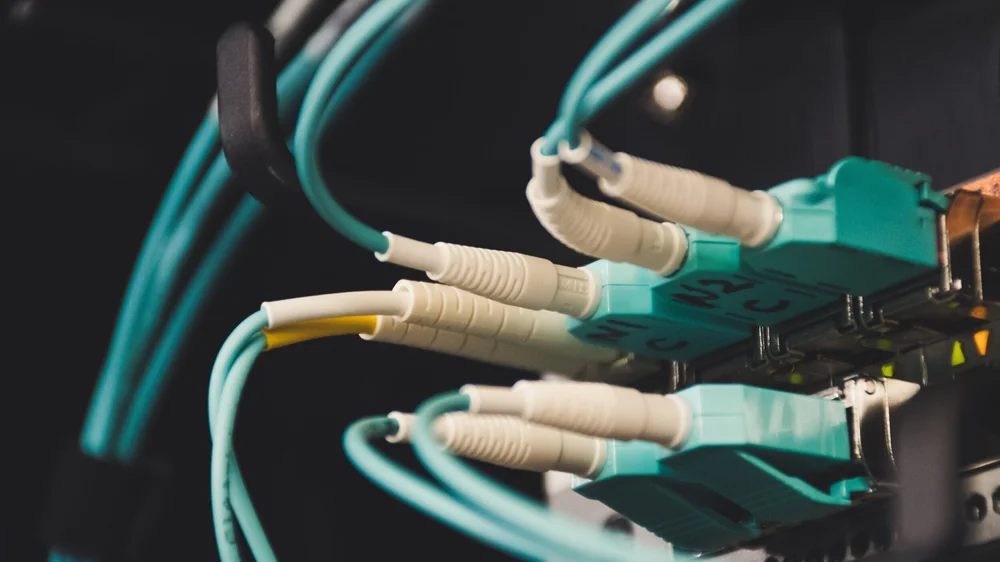
Knob-and-tube wiring isn't automatically dangerous when it's untouched and unloaded. The trouble is that almost none of it is untouched anymore. A century of renovations means amateur splices, buried junction boxes, and insulation packed around wiring that was designed to breathe. The scariest installs we open up aren't the original 1915 work — they're the 1978 "upgrades" someone's brother-in-law did.
What to watch for in these neighbourhoods: partial rewires. Sellers often rewire the accessible parts (basement, kitchen) and leave knob-and-tube live in the walls and ceilings where it's expensive to reach. A listing that says "updated electrical" is not the same as a listing that says "full rewire with permits." Ask which one it is, in writing. We've covered the coverage side in depth in our guide to knob-and-tube wiring and insurance.
Kitsilano, Dunbar & the Westside
Same eras, higher stakes. Kits, Dunbar, Point Grey, and Shaughnessy are full of 1912–1945 character homes that have traded hands many times — and each owner renovated a little differently. The result is what we call layered wiring: knob-and-tube on one circuit, 1960s cable on the next, 1990s copper on a third, all feeding through a panel that may have been upgraded two owners ago or may still be a 60-amp fuse service behind a tidy closet door.
The Westside pattern that catches buyers most often is the beautifully renovated home with an undersized service. You'll see a $3M listing with a chef's kitchen, heat pump, and hot tub — running on a 100-amp service installed in 1985. Add an EV charger and you're out of capacity. Before you write an offer on a renovated character home, find out the service size and whether the panel has any physical room left. It's on the label, and it changes your budget. Our panel upgrade guide explains how to read a panel in about two minutes — and if you're planning a bigger renovation, an electrical planning report maps the whole load picture before you commit.
Vancouver Specials (1965–1985)
The boxy two-storey Special is East Van's signature house, and its build window lands squarely on two problem eras at once. Specials built before 1976 frequently have aluminum branch wiring. Specials of any vintage frequently have Federal Pioneer Stab-Lok panels — a type many inspectors and insurers flag, and one we often end up swapping alongside other breaker and fuse work. And because the layout practically begs for a ground-floor suite, a huge share of them have suite wiring that was never permitted or inspected.
None of these is a reason to walk away. All three are reasons to price the fix into your offer. A Stab-Lok panel swap plus aluminum remediation is a known, quotable scope of work — but only if you know about it before subject removal, not after.
Burnaby: Capitol Hill & the North Slope
Cross Boundary Road heading east and the housing stock shifts younger — but not everywhere. North Burnaby around Capitol Hill and the Heights has a real concentration of pre-1960 homes with knob-and-tube still in the walls, and plenty of those same houses were then partially rewired with aluminum during the 1965–1976 window. Two red-flag eras stacked in one house.
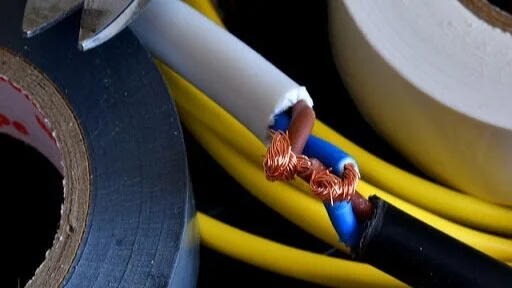
Aluminum wiring deserves a fair shake: it's not a fire waiting to happen by default. It fails at connections — where it expands, contracts, and loosens over decades. Remediation with approved connectors at every device is a legitimate, insurer-accepted fix that costs a fraction of a full rewire. What insurers won't accept is nothing. Expect any Lower Mainland insurer to ask for an inspection report on a 1965–1976 Burnaby home.
The North Shore: North Vancouver & West Vancouver
The North Shore boomed after the war, so the classic find here is the 1945–1965 house: 60-amp service, fuse box, two-prong ungrounded outlets, and often original cloth-sheathed cable that's gone brittle. Lynn Valley, Upper Lonsdale, and the older parts of Ambleside and Dundarave are full of them — our North Vancouver and West Vancouver crews spend a lot of time in exactly these houses. The 1970s builds further up the slopes bring aluminum wiring back into the picture.
Fuse boxes fail in a very human way: a fuse keeps blowing, someone gets tired of it and screws in a bigger fuse, and now the circuit runs unprotected. We find 30-amp fuses on 15-amp wiring more often than you'd want to know. If the house you're viewing still has a fuse panel, budget for a service upgrade — most insurers will push you there anyway.
Tri-Cities & New Westminster
New Westminster is the odd one out here: Queen's Park and the surrounding grid hold some of the oldest homes in the region, so treat them like East Van character stock — assume knob-and-tube until a permit trail proves otherwise. Coquitlam, Port Coquitlam, and Port Moody skew later: big waves of 1960s–1980s construction, which means aluminum wiring in the earlier stock and Stab-Lok panels through much of it. Basement-suite conversions from the 90s onward add the usual unpermitted-work wildcard.
Surrey, Delta, Richmond & Maple Ridge
The stock out here is younger on average, and the wiring reflects it. What replaces the old-materials problem is a workmanship problem: decades of DIY additions, shops and outbuildings wired off a single circuit, hot tubs on undersized feeds, and suites built without permits. On acreage properties in Maple Ridge and South Surrey, ask specifically about outbuilding wiring — it's where we find the roughest work. In Whalley and older Guildford pockets, 1960s–70s homes bring aluminum back into play, and the same era shows up in the older corners of Delta and Richmond.
The 10-minute viewing checklist
You don't need tools or training to catch the big stuff at an open house. Bring your phone flashlight and check:
- The panel brand and type. Fuse box? Budget an upgrade. "Federal Pioneer" or "Stab-Lok" on the label? Photograph it and ask us.
- The main breaker rating. 60A is a problem, 100A is workable, 200A is comfortable.
- Spare slots. A packed panel full of tandem (double-stacked) breakers has no room for your EV charger or heat pump.
- Two-prong outlets. A few in a 1950s house is expected. Everywhere means nothing's been touched.
- Porcelain knobs in the basement or attic. Look along the joists. Knobs = knob-and-tube, live or abandoned.
- The suite. Ask one question: "was the suite wiring permitted?" Then ask for the permit number.

Anything on that list that you can't check yourself — hidden junctions, warm connections, wiring condition inside walls — is what thermal imaging and a proper panel-off inspection are for.
How to check permit history — and why it depends on the city
Here's something most buyers (and honestly, plenty of realtors) don't know: there is no single place to look up electrical permits in Metro Vancouver, because permit authority is split.
Under BC's Safety Standards Act, several municipalities run their own electrical inspection programs. In our service area, Vancouver, Burnaby, Surrey, the City of North Vancouver, the District of North Vancouver, West Vancouver, and Maple Ridge issue their own electrical permits — so the permit history for a house in those cities lives with the city itself. The City of Vancouver goes a step further and runs its own Electrical Inspections Branch under the city's Electrical By-law.
Everywhere else — Coquitlam, Port Coquitlam, Port Moody, New Westminster, Richmond, Delta, Squamish, and Whistler — electrical permits go through Technical Safety BC. (Richmond delegates gas only, so its electrical still sits with TSBC.)
Practically: your realtor can request permit history from the relevant authority during the subject period, and a gap between visible renovations and the permit record is itself a red flag. New kitchen, no electrical permit on file? Someone skipped inspection. If the service entrance itself has been modified, BC Hydro involvement should also show in the paper trail — service upgrades can't happen without the utility.
The insurance reality check
Buyers tend to treat old wiring as a safety question. Insurers treat it as a yes/no question, and their answer shapes your financing — no insurance binder, no mortgage funding. Across the Lower Mainland we routinely see insurers decline or condition coverage on knob-and-tube, 60-amp services, fuse panels, and unremediated aluminum wiring. Some will bind coverage with a 30–60 day remediation deadline; some want a licensed contractor's inspection letter first; a few specialty insurers will cover the risk at a real premium. The Insurance Bureau of Canada is worth reading on how home insurers assess risk generally — but the practical answer always comes from the specific insurer, in writing, during your subject period.
The letter is often the unlock. A documented insurance inspection from a licensed contractor — stating exactly what's in the house and what condition it's in — regularly turns a flat "no" into a "yes, with conditions." We write these for Metro Vancouver buyers every week, usually inside a subject period measured in days.
What a pre-purchase electrical inspection covers (and honest numbers)
A home inspector looks at the whole house and gives the electrical system maybe twenty minutes, mostly from the outside of the panel. A pre-purchase electrical inspection is narrower and deeper: panel interior, service capacity, wiring types on each circuit, grounding and bonding, GFCI protection, suite wiring, and a written report you can hand to your insurer or use in negotiation.
Aluminum remediation with approved connectors usually runs in the low thousands for a typical house. A full knob-and-tube rewire is the big one — commonly $8,000 to $30,000+ depending on the size of the home and how much wall access the work needs. Every quote is site-specific, but those brackets will keep a negotiation grounded.
And to be straight with you about when you don't need us: a 1990s-or-newer home with a copper-wired 200-amp service and a clean permit history rarely needs a dedicated electrical inspection. Save the money. It's the pre-1976 stock — and anything with a suite — where this pays for itself. If something's already misbehaving in a home you own, that's a job for troubleshooting and repair rather than a buyer's inspection.
Buying an older home? Get eyes on the panel first.
Kato Electrical is a licensed and insured Vancouver electrician serving the Lower Mainland from Squamish to Maple Ridge. We do pre-purchase and insurance inspections on short notice — usually within your subject period — with a written report your insurer will accept.
Call (604) 330-5854 Book an inspectionFrequently asked questions
Will insurance companies refuse to cover a home with knob-and-tube wiring in BC?
Many will. Across the Lower Mainland, insurers commonly decline coverage outright, or bind it only on condition that the knob-and-tube is removed within 30–60 days of possession. Some specialty insurers will cover it at a higher premium, usually after reviewing an inspection report from a licensed electrical contractor. Get the insurance question answered during your subject period, not after.
How much does it cost to rewire an older house in Metro Vancouver?
In our experience, a full rewire of a knob-and-tube home commonly runs $8,000 to $30,000 or more, driven mostly by the size of the home and how much wall and ceiling access the work needs. A panel and service upgrade on its own typically lands between $3,000 and $6,000, and aluminum wiring remediation with approved connectors is usually in the low thousands. Every house is different, so treat these as negotiation brackets and get a site-specific quote.
How do I check the electrical permit history on a home before buying?
It depends on the city, because permit authority in Metro Vancouver is split. Vancouver, Burnaby, Surrey, the City of North Vancouver, the District of North Vancouver, West Vancouver, and Maple Ridge issue their own electrical permits, so you request history from the municipality. In Coquitlam, Port Coquitlam, Port Moody, New Westminster, Richmond, Delta, Squamish, and Whistler, electrical permits go through Technical Safety BC. Your realtor can request the records during the subject period.
Is aluminum wiring a deal-breaker when buying a 1960s or 70s home?
No. Aluminum branch wiring, common in homes wired between roughly 1965 and 1976, fails at connections rather than along the wire itself, and remediation with approved connectors at every device is a legitimate, insurer-accepted fix that costs far less than a full rewire. Most insurers will ask for an inspection report on a home from this era, so build that step and the remediation cost into your offer rather than walking away.
Can I get an electrical inspection before removing subjects on an offer?
Yes, and that is exactly when to do it. A pre-purchase electrical inspection takes a couple of hours on site and produces a written report covering the panel, service capacity, wiring types, grounding, and any suite wiring. We routinely schedule these inside subject periods for Metro Vancouver buyers, and the report doubles as the documentation your insurer needs.
What electrical problems do Vancouver Specials usually have?
The Vancouver Special's 1965–1985 build window overlaps two red-flag eras at once: aluminum branch wiring in the pre-1976 homes, and Federal Pioneer Stab-Lok panels that many inspectors and insurers flag, across much of the range. Because the layout suits a ground-floor suite, unpermitted suite wiring is the third common finding. All three are fixable and quotable — the key is knowing about them before subject removal.